


Introduction: The Essence Of Human Resource Planning
In The Dynamic Landscape Of Organizational Management, Human Resource Planning Stands As A Cornerstone, Shaping The Trajectory Of Businesses And Fostering A Proactive Approach To Workforce Management. This Comprehensive Guide Navigates The Intricacies Of Human Resource Planning, Exploring Its Fundamental Principles, Strategic Significance, And The Pivotal Role It Plays In Organizational Success.
Understanding Human Resource Planning
Human resource planning (HRP) is the continuous process of systematic planning to achieve optimum use of an organization’s most valuable asset—quality employees. Human resources planning ensures the best fit between employees and jobs while avoiding manpower shortages or surpluses.
There are four key steps to the HRP process. They include analyzing present labor supply, forecasting labor demand, balancing projected labor demand with supply, and supporting organizational goals. HRP is an important investment for any business as it allows companies to remain both productive and profitable.
Definition And Core Objectives*
At Its Essence, Human Resource Planning Involves Forecasting An Organization’s Future Workforce Needs And Devising Strategies To Meet Those Needs Efficiently. This Section Delves Into The Core Objectives Of Human Resource Planning, Emphasizing Its Role In Aligning Human Capital With Organizational Goals.
Importance Of Strategic Alignment*
Strategic Alignment Forms The Bedrock Of Effective Human Resource Planning. This Subsection Elucidates How The Integration Of Workforce Strategies With Organizational Objectives Ensures A Synchronized Approach, Driving Productivity, And Fostering A Resilient And Adaptable Workforce.
The Key Components Of Human Resource Planning

Human Resource Planning (HRP) emerges as a vital thread, weaving together the present and future workforce needs with strategic foresight. At its core, HRP is a dynamic process encompassing three fundamental components that serve as the pillars of effective human capital management. These components, collectively shaping the trajectory of an organization’s talent landscape, are indispensable for maintaining an optimal balance between staffing requirements and available resources. Join us on a journey as we delve into the intricacies of the “Three Components of Human Resource Planning,” unraveling the predictive dance between workforce forecasting, supply evaluation, and the delicate equilibrium of supply and demand. As we navigate this landscape, we uncover how organizations strategically align their human resources with overarching goals, ensuring a harmonious interplay between the workforce and the evolving needs of the business.
Workforce Analysis: Assessing Current Capabilities*
A Critical Component Of Human Resource Planning Is A Meticulous Analysis Of The Existing Workforce. This Section Explores Methodologies For Evaluating Employee Skills, Competencies, And Potential, Laying The Foundation For Informed Decision-Making In Resource Allocation And Talent Development.
Forecasting Future Needs: Demands And Trends*
Anticipating Future Workforce Needs Is Central To Human Resource Planning. This Subsection Discusses The Methods Employed For Forecasting, Considering Factors Such As Industry Trends, Technological Advancements, And Changes In Organizational Goals To Project The Demand For Specific Skills And Competencies.
Strategic Recruitment And Talent Acquisition
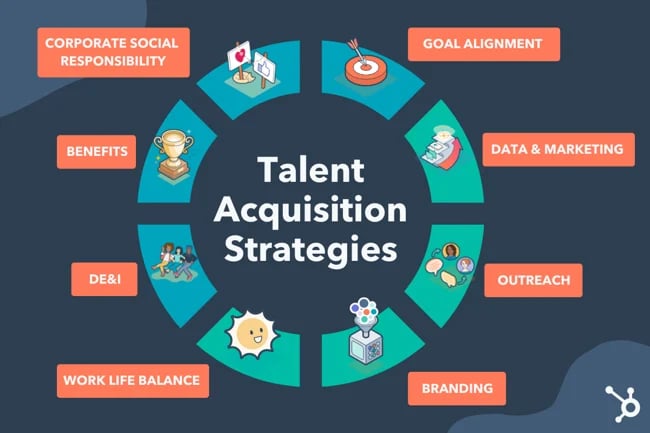
Talent acquisition is a strategy used in recruitment that focuses on finding, attracting, hiring, growing, and retaining top talents inside an organization.
In other words, it is a planned and structured complex of actions the HR department must do to get the best employees.
The main question it addresses is: Given our resources, market position, labor situation and other competitive factors, where and how can we get talented employees?
Tailoring Recruitment Strategies To Organizational Goals*
Aligning Recruitment Strategies With Broader Organizational Goals Is A Pivotal Aspect Of Human Resource Planning. This Segment Explores How Strategic Recruitment Initiatives Can Address Current And Future Talent Needs, Emphasizing The Importance Of Attracting Individuals Who Resonate With The Organization’s Values And Objectives.
Embracing Diversity And Inclusion In Talent Acquisition*
In The Evolving Landscape Of Workforce Dynamics, Fostering Diversity And Inclusion Is Integral To Effective Human Resource Planning. This Part Delves Into Strategies For Attracting A Diverse Talent Pool, Creating An Inclusive Workplace Culture That Celebrates Differences, And Harnessing The Collective Strengths Of A Varied Workforce.
Training And Development Initiatives

Training and development initiatives make employees feel that the company values their presence. They become better workers by continuing to learn new skills and abilities. This can enhance morale and confidence and help them excel in their job opportunities. These employees are likely to be more productive.
Identifying Skill Gaps And Development Needs*
Human Resource Planning Necessitates A Keen Understanding Of Existing Skill Gaps Within The Workforce. This Section Delves Into Methodologies For Identifying These Gaps And Formulating Targeted Training And Development Initiatives To Upskill Employees, Ensuring They Remain Adaptable To Evolving Job Requirements.
Continuous Learning Culture: Nurturing Employee Growth*
In The Era Of Rapid Technological Advancements, Fostering A Culture Of Continuous Learning Is Paramount. This Subsection Explores How Organizations Can Create Environments That Encourage Ongoing Education, Empowering Employees To Stay Abreast Of Industry Trends And Enhance Their Skill Sets.
Succession Planning: Ensuring Leadership Continuity
The Essence Of Succession Planning*
Succession Planning Is A Critical Facet Of Human Resource Planning, Ensuring A Seamless Transition In Leadership Roles. This Segment Elucidates The Importance Of Identifying And Developing Potential Successors, Mitigating The Risks Associated With Leadership Gaps, And Fostering A Culture Of Talent Development.
Leadership Development Programs: Nurturing Future Leaders*
Investing In Leadership Development Programs Is A Strategic Approach To Succession Planning. This Section Explores How Organizations Can Groom High-Potential Employees, Equipping Them With The Skills And Insights Needed To Assume Key Leadership Roles In The Future.
Technological Integration In Human Resource Planning
Leveraging HR Technology For Efficiency*
In The Contemporary Landscape, Technology Plays A Pivotal Role In Streamlining Human Resource Planning Processes. This Subsection Explores The Integration Of HR Technologies, Such As Analytics Tools And Human Capital Management Systems, To Enhance Efficiency, Data Accuracy, And Decision-Making Capabilities.
Data-Driven Decision-Making: A Paradigm Shift*
The Era Of Big Data Brings Forth Opportunities For Data-Driven Decision-Making In Human Resource Planning. This Part Discusses How Organizations Can Leverage Analytics To Derive Actionable Insights, Enabling Strategic Workforce Decisions That Align With Organizational Objectives.
Legal And Ethical Considerations In Human Resource Planning
Compliance With Labor Laws And Regulations*
Adhering To Legal And Ethical Considerations Is Non-Negotiable In Human Resource Planning. This Section Explores The Importance Of Compliance With Labor Laws And Regulations, Emphasizing How Organizations Can Navigate Legal Complexities To Ensure Fairness, Equity, And A Harmonious Workplace.
Ethical Recruitment And Employment Practices*
Ethical Recruitment Practices Are Foundational To A Positive Organizational Culture. This Subsection Delves Into The Ethical Considerations In Talent Acquisition, Emphasizing The Importance Of Transparency, Fairness, And Diversity In Recruitment Processes.
Monitoring And Evaluating Human Resource Planning Initiatives
Key Performance Indicators (Kpis) For HR Planning*
Effectively Monitoring And Evaluating Human Resource Planning Initiatives Requires The Establishment Of Measurable Kpis. This Segment Discusses The Key Performance Indicators Organizations Can Use To Assess The Effectiveness Of Their Workforce Strategies, From Employee Retention Rates To Skill Development Metrics.
Continuous Improvement: Adapting To Change*
Human Resource Planning Is An Iterative Process That Demands Continuous Improvement. This Part Explores The Importance Of Adaptability In Responding To Dynamic Organizational Needs, Incorporating Feedback, And Refining Strategies To Ensure Ongoing Relevance And Effectiveness.
Conclusion: Synchronizing People And Strategy
In Conclusion, Mastering Human Resource Planning Is A Multifaceted Endeavor That Necessitates A Strategic And Synchronized Approach. By Aligning Workforce Strategies With Organizational Goals, Embracing Diversity And Inclusion, And Leveraging Technological Advancements, Organizations Can Navigate The Complexities Of Workforce Management With Foresight And Agility. As A Dynamic And Integral Component Of Organizational Success, Human Resource Planning Serves As The Linchpin In Fostering A Resilient, Adaptable, And High-Performing Workforce.
