
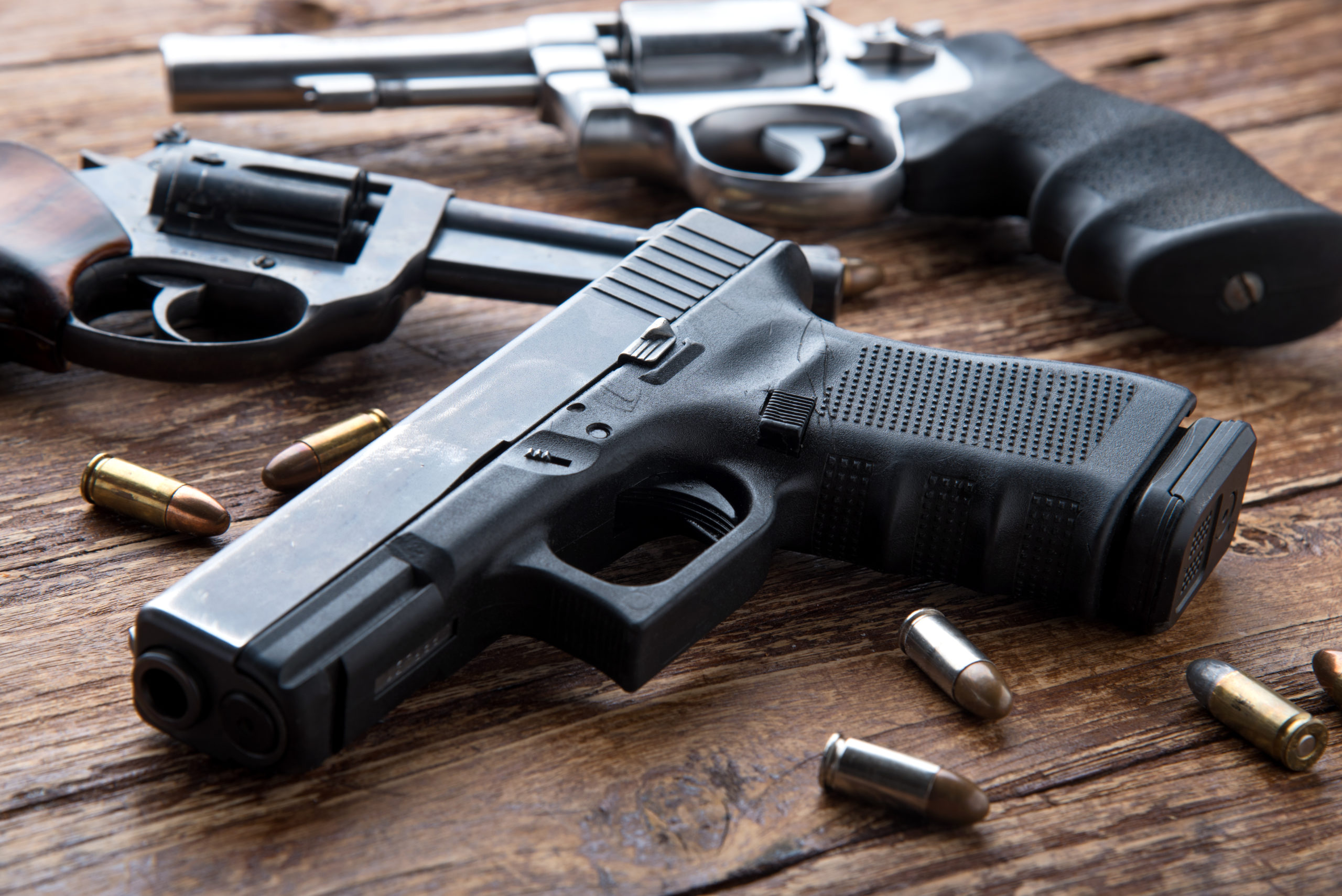

Choosing the right firearm is a crucial decision that demands careful consideration. Whether you are a seasoned gun enthusiast, a hunter, or a first-time firearm buyer, selecting the perfect firearm requires evaluating various factors to ensure safety, accuracy, and satisfaction. Here we will discuss the key considerations when choosing the right firearm, helping you make an informed decision that suits your needs and preferences.
- Purpose
The first and foremost consideration when choosing a firearm is its intended purpose. Firearms are designed for a wide range of activities, including self-defense, target shooting, hunting, and competitive shooting sports. Understanding why you want a firearm will help you narrow down your options. For example, a concealed carry pistol may not be suitable for hunting, while a hunting rifle may not be ideal for home defense. Define your purpose clearly before proceeding with your purchase.
- Type of Firearm
Once you’ve determined your purpose, you can start narrowing down the type of firearm that suits your needs. The most common types of firearms include:
- Handguns: These include pistols and revolvers. They are compact and easy to carry, making them suitable for self-defense and concealed carry. Revolvers have a simpler design with fewer moving parts, while semi-automatic pistols offer higher magazine capacities.
- Rifles: Rifles are long-barreled firearms designed for precision shooting. They are commonly used for hunting, target shooting, and competitive shooting sports. There are various types of rifles, such as bolt-action, semi-automatic, and lever-action, each with its unique features.
- Shotguns: Shotguns are versatile firearms designed to fire a spread of pellets or a single projectile (slug). They are commonly used for hunting, home defense, and sport shooting. Shotgun configurations can vary, including pump-action, semi-automatic, and break-action.
- Sporting Firearms: These firearms are specialized for specific sports, such as trap, skeet, and sporting clays. They often have longer barrels and are optimized for accuracy and control. Additionally, if you’re interested in a unique and compact firearm design, you might want to consider the Keltec P50, which offers a distinctive shooting experience.
- Caliber or Gauge
Once you’ve decided on the type of firearm, the next consideration is the caliber or gauge. The caliber refers to the diameter of the bullet or cartridge used in handguns and rifles, while the gauge denotes the bore diameter in shotguns. The choice of caliber or gauge depends on your intended use.
For self-defense, common handgun calibers include 9mm, .40 S&W, and .45 ACP, while rifles may use calibers like .223 Remington or 5.56mm NATO. Hunters choose rifle calibers based on the game they intend to hunt, with options ranging from .243 Winchester for smaller game to .30-06 Springfield for larger animals. Shotgun gauges typically range from 12 to 20 gauge, with 12 gauge being the most common for various purposes.
- Recoil Management
Recoil, or the backward force generated when firing a firearm, can significantly impact your shooting experience. It is essential to consider recoil management, especially if you are a beginner or have physical limitations. Lighter recoiling firearms are generally more comfortable to shoot, making them a better choice for novice shooters. Recoil can affect accuracy and your ability to follow up shots, so it’s crucial to find a firearm that you can control effectively.
- Ergonomics and Fit
The ergonomics of a firearm play a significant role in how well it suits you. Comfortable grip, a natural point of aim, and proper stock or grip size can greatly influence your accuracy and control. When possible, try different firearms to find one that feels comfortable in your hands and shoulders. Additionally, consider factors like the reach to the trigger and the position of the safety and magazine release buttons, as these can affect your shooting experience.
- Firearm Sights
Sights are crucial for aiming accurately. Different types of firearms come with various sighting systems, including iron sights, red dot sights, holographic sights, and scopes. The choice of sights depends on your purpose and personal preferences. For self-defense handguns, simple and reliable iron sights may suffice. Hunters often prefer scopes for long-range accuracy, while competitive shooters may opt for more advanced optics.
- Magazine Capacity
Magazine capacity is an important consideration, particularly for self-defense and competitive shooting. Semi-automatic handguns and rifles typically have magazines that hold varying numbers of rounds. Higher capacity magazines can be advantageous in situations where rapid follow-up shots are necessary. However, local laws and regulations may impose restrictions on magazine capacity, so be sure to check before making a purchase.
- Reliability and Durability
Reliability and durability are non-negotiable factors when choosing a firearm. You want a firearm that functions flawlessly when you need it most. Research the reputation of different firearm manufacturers and models, read reviews, and seek advice from experienced shooters. A reliable firearm should be easy to clean and maintain, reducing the risk of malfunctions.
- Budget
Firearms vary widely in price, so it’s essential to establish a budget before beginning your search. Keep in mind that the initial cost of the firearm is just one aspect of the expenses associated with gun ownership. You’ll also need to budget for ammunition, accessories, and potentially training or certification courses. Be realistic about your budget and choose a firearm that meets your needs without overspending.
- Legal and Regulatory Considerations
Understanding the legal and regulatory aspects of firearm ownership in your jurisdiction is crucial. Laws regarding firearm ownership, transportation, storage, and use can vary widely by country, state, or even municipality. Research the local laws and regulations that apply to you, and ensure that you meet all legal requirements before purchasing a firearm. Additionally, consider the waiting periods, background checks, and permit processes that may be involved.
- Training and Education
Proper training and education are essential for safe and responsible firearm ownership. Regardless of your experience level, consider seeking formal training from certified instructors. Training can help you become proficient with your chosen firearm, understand firearm safety rules, and improve your overall shooting skills. It’s also an opportunity to become familiar with the laws and ethics surrounding firearm use.
- Accessories and Modifications
Firearm customization can be a fun and practical aspect of gun ownership. Accessories such as holsters, slings, and extra magazines can enhance your shooting experience. However, it’s important to research the compatibility of these accessories with your chosen firearm and consider their practicality for your intended use. Be aware that some modifications, such as altering a firearm’s internal components or barrel length, may require legal permits or approval.
Conclusion
Choosing the right firearm is a significant decision that involves considering multiple factors, including purpose, type of firearm, caliber or gauge, recoil management, ergonomics, sights, magazine capacity, reliability, budget, legal considerations, training, and accessories. By carefully evaluating these factors and seeking guidance from experienced shooters or certified instructors, you can make an informed decision that ensures both your safety and satisfaction with your chosen firearm. Remember that responsible firearm ownership includes ongoing education and adherence to local laws and regulations, making you a responsible and safe gun owner.
