


Introduction: Unraveling The Significance Of The Medium Of Instruction
The Medium Of Instruction Is A Cornerstone In The Realm Of Education, Influencing How Knowledge Is Imparted And Received. In This Comprehensive Exploration, We Delve Into The Nuanced Aspects Of The Medium Of Instruction, Its Impact On Learning Outcomes, And The Considerations That Shape Its Role In Educational Systems Worldwide.
Defining The Medium Of Instruction
:max_bytes(150000):strip_icc()/Dictionary-58b862783df78c353c94ed9a.jpg)
Medium of Instruction Type defines the media through which teachers provide instruction to students and how students and teachers communicate about instructional matters, for example, technology-based instruction in classroom correspondence, face-to-face instruction, virtual/online, distance learning center-based instruction, etc. If a specific medium of instruction type is not submitted, it will be considered a regular face-to-face class.
Sections represent a setting in which organized instruction of course content is provided, in person or otherwise, to one or more students for a given period of time. A course offering may be offered to more than one section. This is collected at the school level.
Conceptualizing The Medium Of Instruction*
The Medium Of Instruction Refers To The Language Or Languages In Which Teaching And Learning Activities Take Place In Educational Institutions. It Is A Critical Element That Shapes The Communication Between Educators And Learners, Influencing The Entire Educational Experience.
Multilingual And Bilingual Contexts*
In Diverse Educational Landscapes, Institutions May Adopt A Monolingual, Multilingual, Or Bilingual Approach As The Medium Of Instruction. Understanding The Distinctions Between These Approaches Provides Insights Into The Complexities Of Catering To Diverse Linguistic Backgrounds.
The Impact Of The Medium Of Instruction On Learning
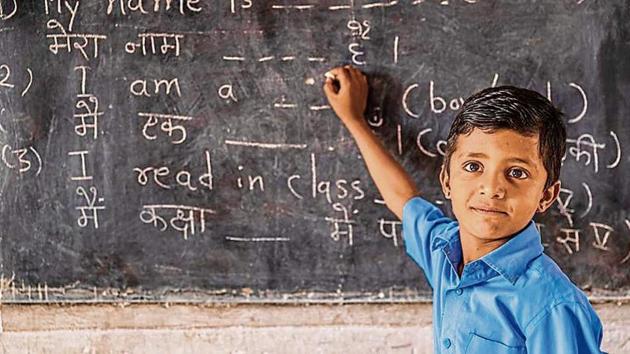
Teaching the language, or educational content, through the target language increases the amount of exposure the learner gets to it, and the opportunities they have to communicate in it, and therefore to develop their control of it.
Example
English is used from the beginning of a course as the main language in class, and the teacher adapts their methodology to support meaning, by using a lot of visual information and non-verbal communication to support meaning.
The question of which medium of instruction to use, and the impact on learners and learning, is a complex one. It is useful to consider how the language used supports the aims of the class. For example, it may fit the aims to give all classroom instructions in English in a low level class, because this is useful exposure to new language and will be learnt, but explaining the methodology behind an activity to the same group might be done in L1.
Cognitive Development And Language Acquisition*
The Medium Of Instruction Plays A Pivotal Role In Cognitive Development And Language Acquisition. Exploring How Learners Engage With Different Languages During The Learning Process Sheds Light On The Cognitive Benefits And Challenges Associated With Each Approach.
Academic Performance And Achievement*
Research Suggests A Correlation Between The Medium Of Instruction And Academic Performance. Analyzing Studies And Findings That Highlight The Impact Of Language On Students’ Comprehension And Performance Contributes To A Nuanced Understanding Of The Intricate Relationship Between Language And Learning Outcomes.
Factors Influencing The Choice Of Medium Of Instruction

There are various factors or criteria that should be considered for effective utilization of media in any teaching-learning process. The selection and utilization of these media should be based on certain criteria such as learners’ characteristics, instructional objectives, suitability, technicality, practicability, and the teacher’s capability among others. This presentation therefore seeks to discuss the criteria or factors to consider when selecting media.
Cultural Considerations*
Cultural Factors Significantly Influence The Choice Of The Medium Of Instruction. Examining How Cultural Context Shapes Language Preferences In Education Provides Insights Into The Delicate Balance Between Preserving Cultural Identity And Fostering Effective Learning Environments.
Sociopolitical Dynamics*
Sociopolitical Considerations, Including Historical Contexts And Language Policies, Play A Crucial Role In Determining The Medium Of Instruction. Analyzing How Sociopolitical Dynamics Influence Language Choices In Education Unveils The Interconnected Nature Of Language, Power, And Identity.
Global Perspectives On Medium Of Instruction

Internationalization And Globalization Trends*
In An Era Of Increasing Globalization, Educational Institutions Grapple With Decisions Related To The Medium Of Instruction. Understanding Global Perspectives On Language Choices In Education Highlights The Challenges And Opportunities Presented By An Interconnected World.
Comparative Analysis Of Education Systems*
Comparing Education Systems With Different Approaches To The Medium Of Instruction Provides Valuable Insights Into The Strengths And Limitations Of Various Models. Exploring Countries That Adopt Diverse Linguistic Strategies Contributes To A Cross-Cultural Understanding Of Educational Practices.
Challenges And Solutions In Implementing A Medium Of Instruction
Language Proficiency And Accessibility*
One Of The Primary Challenges In Implementing A Medium Of Instruction Is Ensuring That Learners Possess The Required Language Proficiency. Examining Strategies To Address Language Proficiency Gaps And Enhance Accessibility Fosters Inclusivity In Educational Settings.
Teacher Training And Professional Development*
Effective Implementation Of A Chosen Medium Of Instruction Necessitates Well-Prepared Educators. Analyzing The Importance Of Teacher Training And Ongoing Professional Development In Navigating Language-Specific Challenges Enhances The Quality Of Instruction And Supports Positive Learning Outcomes.
Case Studies: Medium Of Instruction In Specific Contexts
Language Policies In European Education*
Europe Provides A Diverse Landscape Of Language Policies In Education. Exploring Case Studies That Exemplify Different Approaches To The Medium Of Instruction In European Countries Offers Valuable Insights Into The Intersection Of Language, Education, And Cultural Diversity.
Multilingual Models In Southeast Asia*
Southeast Asian Countries Often Adopt Multilingual Models Due To Linguistic Diversity. Investigating Case Studies That Highlight The Successes And Challenges Of Multilingual Education Sheds Light On Region-Specific Considerations In Language Instruction.
Future Trends And Innovations In Medium Of Instruction
Technological Advancements In Language Learning*
Technological Innovations Are Reshaping Language Learning Paradigms. Exploring How Technology Influences The Medium Of Instruction And Facilitates Language Acquisition Opens Avenues For Understanding The Role Of Digital Tools In Shaping The Future Of Education.
Adaptive And Inclusive Approaches*
The Future Of The Medium Of Instruction Embraces Adaptive And Inclusive Approaches. Examining Innovations That Cater To Diverse Learning Styles, Abilities, And Linguistic Backgrounds Paves The Way For Educational Systems That Prioritize Inclusivity And Personalized Learning Experiences.
Conclusion: Navigating The Linguistic Landscape Of Education
In Conclusion, The Medium Of Instruction Stands As A Dynamic Force That Shapes The Educational Experience Globally. From Its Impact On Cognitive Development To The Intricate Interplay Of Cultural, Sociopolitical, And Technological Factors, The Choice Of Language In Education Is A Multifaceted Consideration. As Educational Systems Continue To Evolve, A Thoughtful Exploration Of The Medium Of Instruction Is Essential For Fostering Effective And Inclusive Learning Environments That Empower Learners To Navigate The Linguistic Landscape With Confidence And Competence.
